
Voice AI
Agent Validation: Stop Before You Book, Charge, or Send
Your voice agent should never book, charge, or send without clearing a validation check first. Here's the architecture that makes that happen in practice.
SB
25 June 2026Insights on AI voice agents for Australian businesses: case studies, how-to guides, and industry trends
Your voice agent should never book, charge, or send without clearing a validation check first. Here's the architecture that makes that happen in practice.

Retell prices on peak concurrency, not total call volume. Twenty concurrent calls are free. After that, it's $8 per slot per month.

When a call event fails, most stacks quietly drop it. A dead letter queue catches the failure and lets you replay it. Here's the build.

Storing call state inside the model's context window feels simple until a call drops or a retry fires. Here's why production agents write progress to Postgres instead.
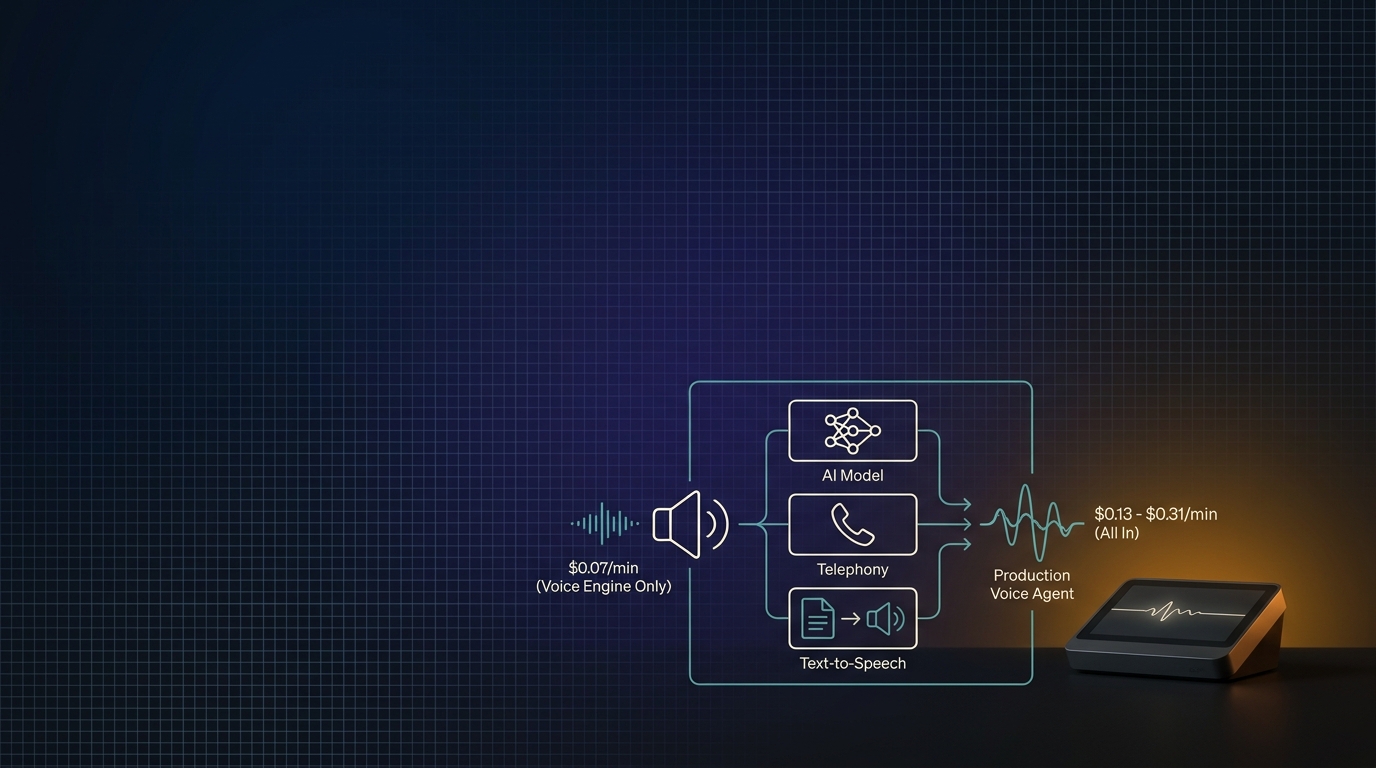
That $0.07 a minute quote sounds sharp until you see the full bill. In production, voice agent cost runs $0.13 to $0.31 per minute once the model, telephony, and TTS stack up.
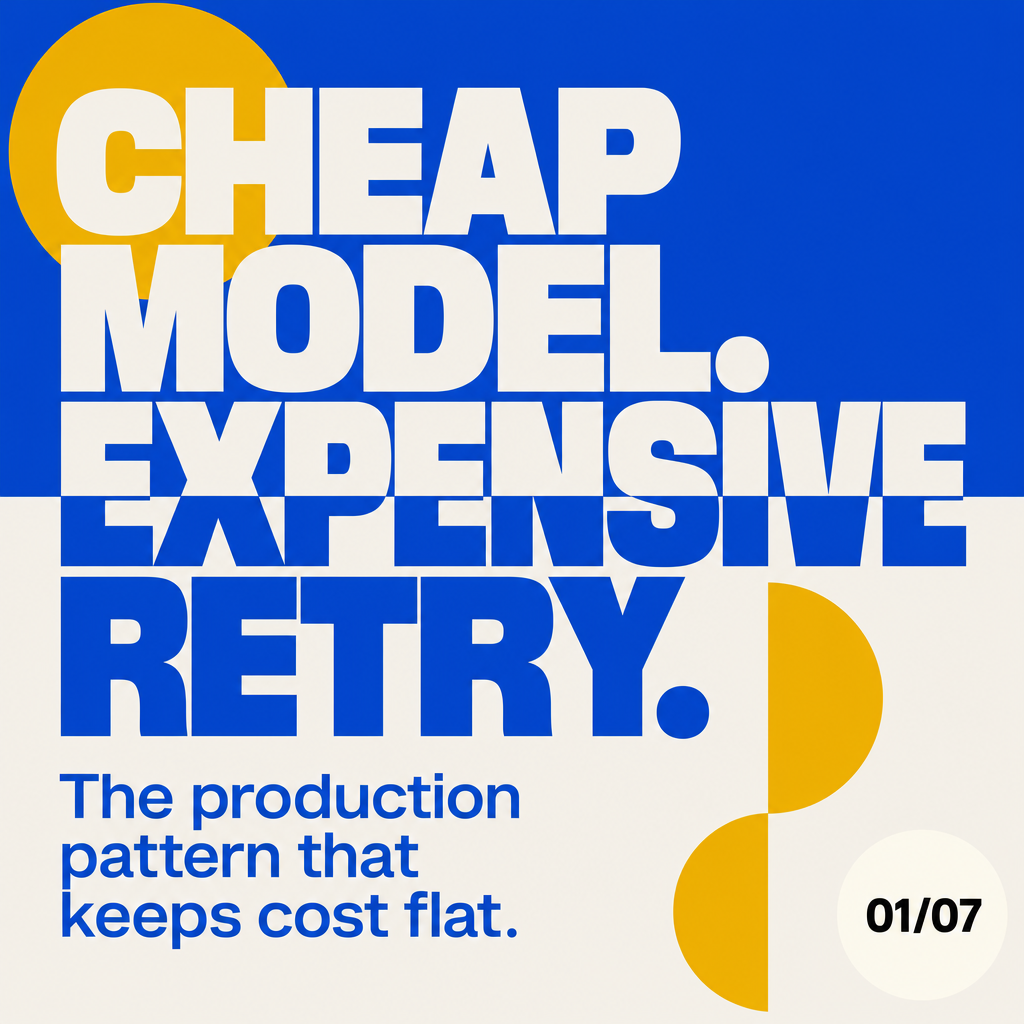
Running a voice agent doesn't have to mean a runaway inference bill. Here's the production routing pattern that keeps costs flat and accuracy honest.

On 9 June 2026 I was building on the strongest model available. By 12 June it was gone. Here's what model dependency actually costs when you're days from shipping.

We started writing LLM evals after the third production regression. Turns out they're just unit tests for AI agents. Here's the build.

Spec-Kit reached 90,000 stars in seven months. The signal is hard to ignore: writing code isn't the problem anymore. Describing what you want built is.